Have you noticed birds showing up earlier in spring or fish moving to cooler waters? Animals are constantly reacting to the environment, but climate change is pushing them to adapt faster than ever.
Some adapt physically, some adjust their behaviors, and some rely on clever strategies to survive. Understanding these adaptations gives us a fascinating glimpse into nature's resilience.
Physical adaptations
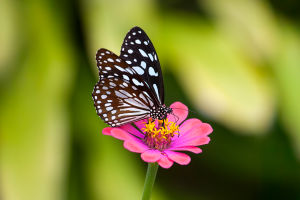
Some animals change their bodies in response to new conditions. Certain insects grow lighter coloring to reflect more heat in warmer climates. These changes happen over generations through evolution, allowing species to survive in places where they once struggled.
Physical adaptations aren't just about appearance. Some animals adjust internal functions, too. Desert reptiles, for instance, can conserve water more effectively or tolerate higher body temperatures. These subtle physiological changes can make the difference between thriving and vanishing in a rapidly changing climate.
Behavioral shifts
Animals are also smart about changing their habits. Birds might shift their migration routes to follow food sources, and mammals may alter their active hours to avoid heat. Beavers, usually active at night, sometimes extend their work into the day if temperatures rise slowly.
Learning new strategies is vital. Crows have been seen dropping hard nuts on roads for vehicles to break, a clever use of their environment. While not strictly climate-driven, it shows how animals can change behaviors quickly to solve problems—like finding food or staying safe when conditions change.
Using shelters and microhabitats
Some species rely on existing structures to cope with changing weather. Small mammals burrow deeper to escape heat, amphibians hide under logs to stay cool, and fish seek deeper, cooler areas during warm spells. These adjustments help them maintain stable body conditions without needing to change their physical traits immediately.
Even plants play a role for animals. Shade from taller vegetation or waterlogged areas can create microclimates that animals exploit to survive heat or drought. Using the environment creatively is a key survival tactic.
Migration and relocation
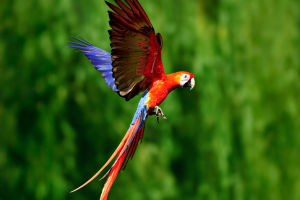
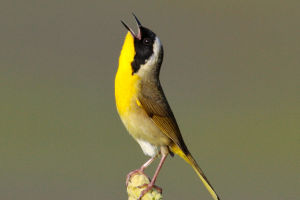
Migration is one of the most visible adaptations. Many birds now travel longer distances or shift their breeding grounds to match changing temperatures. Marine animals, like certain fish and whales, move toward cooler waters as oceans warm.
Relocation isn't always voluntary. When habitats disappear, animals are forced to find new homes. Some succeed, others struggle. Observing these movements can teach us which species are more adaptable and which are at greater risk.
What we can learn
Studying animal adaptations gives insight into resilience, problem-solving, and survival strategies. Nature often combines instinct with learning—physical traits provide a foundation, while behavior fine-tunes survival. Watching these adjustments in action is a reminder of the delicate balance in ecosystems.
It's also a call to observe and support wildlife in subtle ways: maintaining natural habitats, providing water sources, and reducing human-made barriers can make a huge difference. By understanding how animals adapt, we gain appreciation for their intelligence and resourcefulness, and we learn lessons for our own ability to adjust to change.
Reflecting on resilience
Next time you see a bird migrating earlier than usual or a squirrel using a new hiding spot, think about the incredible adaptability it represents. Animals remind us that survival often depends on noticing changes, experimenting with new behaviors, and sometimes even changing the body itself. In a world of shifting climates, resilience is not just a trait—it's a daily practice, and watching it unfold in nature is both inspiring and humbling.