Zebra Stripe Secrets
Ravish Kumar
| 02-03-2026
 · Animal Team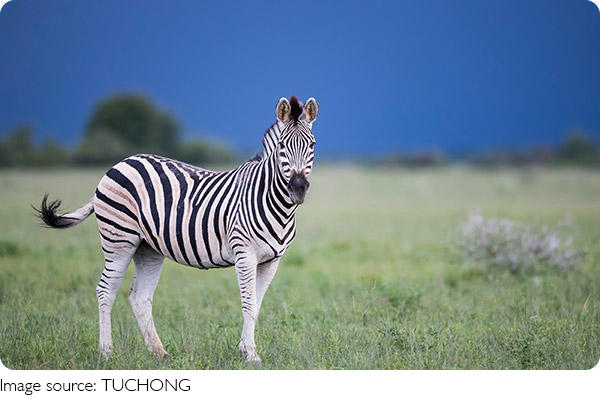
Zebras attract attention with their black and white stripes. At first glance, the pattern seems like a natural decoration. However, it plays a key role in survival.
We often see zebras moving across open grasslands, and their unique look helps them adapt to a challenging environment. Together, we explore how these stripes protect them and support life in the wild.
Stripes as Natural Camouflage
We first see how stripes work as camouflage. In open grasslands, sunlight creates light and shadow on the ground. The black and white lines mix with these changing shadows. From a distance, the body shape of a zebra becomes less clear.
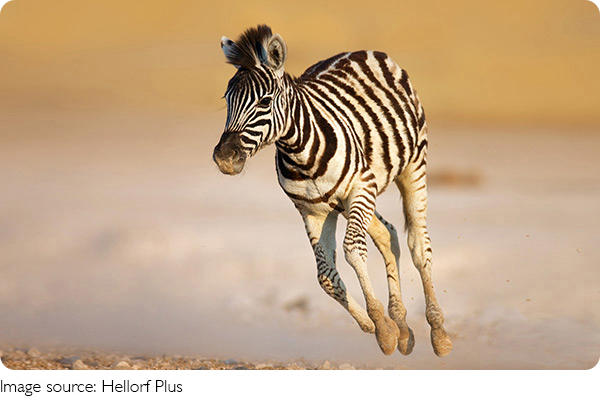
When zebras run in a group, the effect becomes stronger. Many striped bodies move at the same time. The lines overlap visually and form a shifting pattern. Predators such as large wild cats often depend on clear sight to choose one target. The moving stripes create visual confusion and make it harder to focus on one animal.
This protection works best in herds. Group movement reduces the chance of being singled out. In this way, stripes act like a natural shield that supports survival.
Helping with Body Temperature Control
We also learn that stripes play a role in temperature balance. Black areas absorb more sunlight and heat. White areas reflect light and stay cooler. The alternating colors create small temperature differences across the skin.
These differences may support air movement near the body. Warm air rises from black stripes, while cooler air stays near white stripes. This tiny air flow can improve heat release. As zebras live in hot environments, staying cool is important for energy saving and health.
Research continues to study this function, but evidence shows that stripe patterns may contribute to thermal regulation. Nature often uses simple color differences to manage complex environmental challenges.
Protection from Insects
Another important role of stripes is insect protection. Many biting insects search for animals by detecting shapes and movement. Studies suggest that striped surfaces confuse the visual system of certain insects.
When insects approach a zebra, the pattern makes it difficult for them to judge landing distance. The visual disruption reduces successful landings. Fewer insect bites mean lower risk of infection and less irritation.
This function is especially useful in areas where insects spread diseases. A simple pattern becomes an effective defense tool. It shows how appearance can connect directly with health protection.
Individual Identity and Social Bond
We also find that every zebra has a unique stripe pattern. The width, spacing, and arrangement of lines differ from one individual to another. Like a natural fingerprint, the pattern supports recognition.
Mothers recognize their young by observing stripe details. In crowded groups, zebras can identify companions through visual cues. This recognition strengthens trust and social connection within the herd.
Group life depends on communication and cooperation. Clear identity helps maintain order and unity. Stripes therefore play a role beyond survival. They also support social structure and interaction.
Nature’s Smart Design
Zebra stripes show us that beauty and function can exist together. At first glance, the pattern looks like decoration. However, it serves multiple practical purposes.
It protects against predators through visual confusion. It helps regulate body temperature under strong sunlight. It reduces insect contact and supports disease prevention. It also enables individual recognition inside the group.
All these functions work together. The pattern developed through long adaptation to the environment. Over time, natural selection strengthened traits that improved survival chances.
What We Learn from This Pattern
Zebra stripes remind us that nature works with smart and practical designs. The black and white lines are not random. They help with protection, temperature balance, insect defense, and group recognition.
When we look deeper, we see how small details support survival. These natural features develop through long adaptation to the environment. They show how life finds effective solutions in simple ways.
Let us keep observing, learning, and discovering more secrets from the wild world around us together.
The Coolest Secret of Zebra Stripes
Video by Wild Planet Trust